|

|
Chapter 3
GM's 4T60E: 1994-ON
|
Transmission Overview
In 1994, GM made a number of changes to 4T60E. It still uses two shift solenoids and a converter clutch solenoid; and some still have a pulse width modulated solenoid to control the converter clutch apply feel. The wiring for these solenoids is somewhat different than on earlier units.
As with the earlier model, the 4T60E still uses a modulator to provide an engine load signal, which the transmission uses to control line pressure. In general, the standard "dual red-stripe" modulator should work fine on most units; however, there is a special modulator valve available for vehicles being operated at high altitudes.
Terminal Identification
Here’s a breakdown of the individual connector terminals:
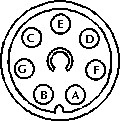
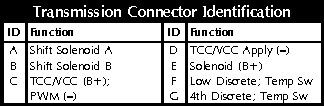
Shown from the terminal side of the transmission connectors.
Checking the Shift Pattern
Here’s how to connect your signal box to the transaxle connector, to check the signals from the computer to the transaxle:
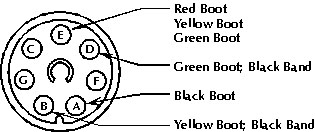
Backprobe the terminals with the harness
connector still connected to the transmission.
This is the shift pattern you should see with your signal monitor:
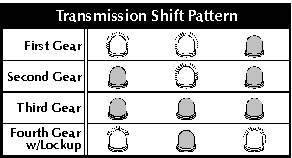
The far right LED indicates the signal to the converter clutch (TCC) solenoid.
Forcing the Shift
Here’s the manual shift pattern you can expect with the transaxle in failsafe:

Here’s how to force the 4T40E transaxle to shift electrically:
First Gear
In first gear, both shift solenoids receive ground.
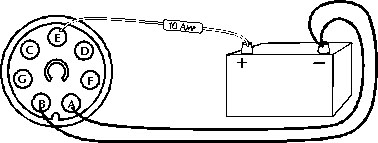
Second Gear
To shift into second gear, the computer releases ground from solenoid A; only solenoid B is grounded.
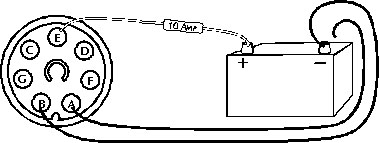
Third Gear
To shift into third gear, the computer releases ground from solenoid B; neither solenoid is grounded.
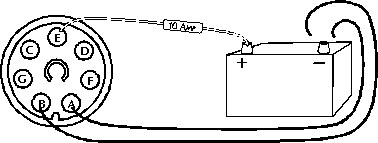
Fourth Gear
To shift into fourth gear, the computer grounds only solenoid A; the gray lines are the connections necessary to apply the converter clutch.
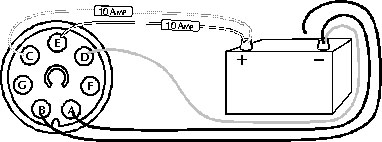
PAGE 42-43